LeetCode 358: Rearrange String k Distance Apart (Greedy + Heap)
LeetCode 358Source: https://leetcode.com/problems/rearrange-string-k-distance-apart/
English
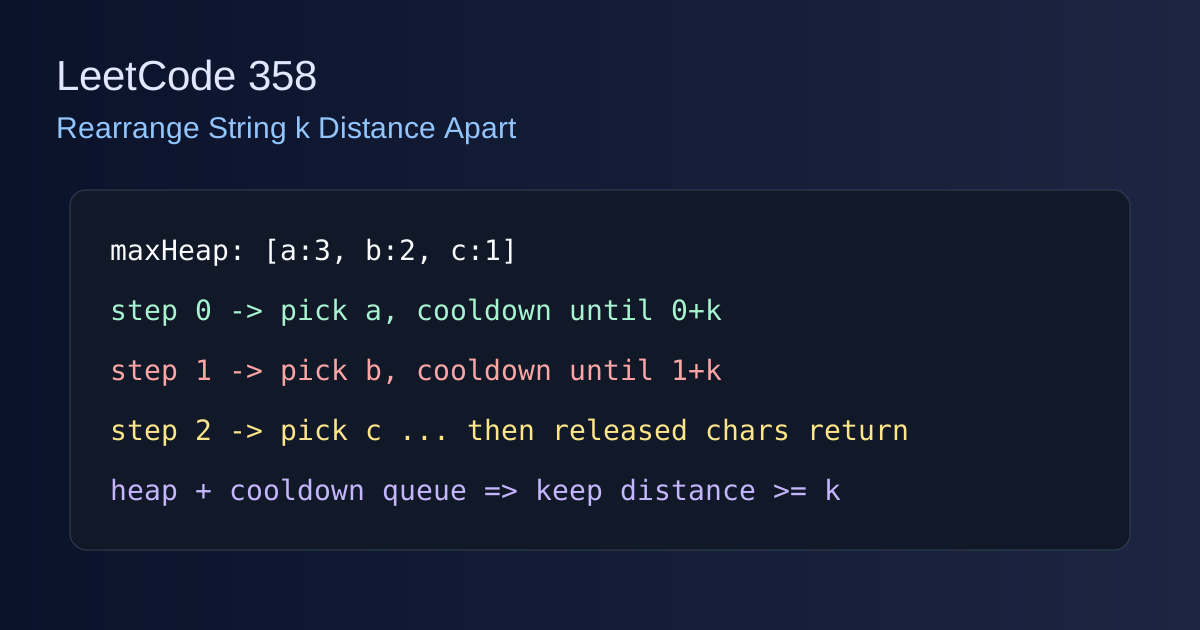
We always pick the character with the highest remaining frequency, but once used, it cannot be reused for the next k-1 positions. A max-heap selects the current best character, and a cooldown queue stores used characters with their release step. If at some step the heap is empty while work remains, no valid arrangement exists.
class Solution {
    public String rearrangeString(String s, int k) {
        if (k <= 1) return s;
        int[] cnt = new int[26];
        for (char c : s.toCharArray()) cnt[c - 'a']++;

        PriorityQueue maxHeap = new PriorityQueue<>((a, b) -> b[1] - a[1]);
        for (int i = 0; i < 26; i++) if (cnt[i] > 0) maxHeap.offer(new int[]{i, cnt[i]});

        Queue wait = new ArrayDeque<>(); // [charIndex, remain, releaseStep]
        StringBuilder ans = new StringBuilder();
        int step = 0;

        while (!maxHeap.isEmpty() || !wait.isEmpty()) {
            if (!wait.isEmpty() && wait.peek()[2] <= step) {
                int[] r = wait.poll();
                maxHeap.offer(new int[]{r[0], r[1]});
            }
            if (maxHeap.isEmpty()) return "";

            int[] cur = maxHeap.poll();
            ans.append((char) ('a' + cur[0]));
            cur[1]--;
            if (cur[1] > 0) wait.offer(new int[]{cur[0], cur[1], step + k});
            step++;
        }
        return ans.toString();
    }
}
import "container/heap"
type item struct {
cnt int
ch int
}
type maxHeap []item
func (h maxHeap) Len() int { return len(h) }
func (h maxHeap) Less(i, j int) bool { return h[i].cnt > h[j].cnt }
func (h maxHeap) Swap(i, j int) { h[i], h[j] = h[j], h[i] }
func (h *maxHeap) Push(x any) { *h = append(*h, x.(item)) }
func (h *maxHeap) Pop() any { old := *h; n := len(old); x := old[n-1]; *h = old[:n-1]; return x }
func rearrangeString(s string, k int) string {
if k <= 1 { return s }
freq := make([]int, 26)
for _, c := range s { freq[c-'a']++ }
h := &maxHeap{}
for i, c := range freq { if c > 0 { heap.Push(h, item{c, i}) } }
heap.Init(h)
type waitItem struct{ release, cnt, ch int }
q := []waitItem{}
out := make([]byte, 0, len(s))
for step := 0; h.Len() > 0 || len(q) > 0; step++ {
if len(q) > 0 && q[0].release <= step {
heap.Push(h, item{q[0].cnt, q[0].ch})
q = q[1:]
}
if h.Len() == 0 { return "" }
cur := heap.Pop(h).(item)
out = append(out, byte('a'+cur.ch))
cur.cnt--
if cur.cnt > 0 { q = append(q, waitItem{step + k, cur.cnt, cur.ch}) }
}
return string(out)
}class Solution {
public:
string rearrangeString(string s, int k) {
if (k <= 1) return s;
vector cnt(26, 0);
for (char c : s) cnt[c - 'a']++;
priority_queue> pq; // {count, charIndex}
for (int i = 0; i < 26; ++i) if (cnt[i]) pq.push({cnt[i], i});
queue> wait; // {releaseStep, count, charIndex}
string ans;
int step = 0;
while (!pq.empty() || !wait.empty()) {
while (!wait.empty() && get<0>(wait.front()) <= step) {
auto [_, c, idx] = wait.front(); wait.pop();
pq.push({c, idx});
}
if (pq.empty()) return "";
auto [c, idx] = pq.top(); pq.pop();
ans.push_back(char('a' + idx));
c--;
if (c > 0) wait.push({step + k, c, idx});
step++;
}
return ans;
}
}; import heapq
from collections import deque
class Solution:
def rearrangeString(self, s: str, k: int) -> str:
if k <= 1:
return s
freq = [0] * 26
for ch in s:
freq[ord(ch) - 97] += 1
heap = [(-c, i) for i, c in enumerate(freq) if c > 0]
heapq.heapify(heap)
wait = deque() # (release_step, neg_count, idx)
ans = []
step = 0
while heap or wait:
while wait and wait[0][0] <= step:
_, neg_c, idx = wait.popleft()
heapq.heappush(heap, (neg_c, idx))
if not heap:
return ""
neg_c, idx = heapq.heappop(heap)
ans.append(chr(idx + 97))
neg_c += 1 # used one
if neg_c < 0:
wait.append((step + k, neg_c, idx))
step += 1
return ''.join(ans)var rearrangeString = function(s, k) {
if (k <= 1) return s;
const freq = new Array(26).fill(0);
for (const ch of s) freq[ch.charCodeAt(0) - 97]++;
const heap = [];
const push = (x) => { heap.push(x); let i = heap.length - 1; while (i > 0) { const p = (i - 1) >> 1; if (heap[p][0] >= heap[i][0]) break; [heap[p], heap[i]] = [heap[i], heap[p]]; i = p; } };
const pop = () => { const top = heap[0], x = heap.pop(); if (heap.length) { heap[0] = x; let i = 0; while (true) { let l = i * 2 + 1, r = l + 1, m = i; if (l < heap.length && heap[l][0] > heap[m][0]) m = l; if (r < heap.length && heap[r][0] > heap[m][0]) m = r; if (m === i) break; [heap[i], heap[m]] = [heap[m], heap[i]]; i = m; } } return top; };
for (let i = 0; i < 26; i++) if (freq[i] > 0) push([freq[i], i]);
const wait = [];
const out = [];
for (let step = 0; heap.length || wait.length; step++) {
if (wait.length && wait[0][0] <= step) {
const [_, cnt, idx] = wait.shift();
push([cnt, idx]);
}
if (!heap.length) return "";
let [cnt, idx] = pop();
out.push(String.fromCharCode(97 + idx));
cnt--;
if (cnt > 0) wait.push([step + k, cnt, idx]);
}
return out.join('');
};中文
核心思路是贪心:每一步尽量使用剩余次数最多的字符,但该字符在接下来的 k-1 个位置内不能再次出现。用大顶堆选择当前可用的最优字符,再用冷却队列记录它何时可以重新入堆。若某一步堆为空但仍有字符待放置,说明无解。
class Solution {
    public String rearrangeString(String s, int k) {
        if (k <= 1) return s;
        int[] cnt = new int[26];
        for (char c : s.toCharArray()) cnt[c - 'a']++;

        PriorityQueue maxHeap = new PriorityQueue<>((a, b) -> b[1] - a[1]);
        for (int i = 0; i < 26; i++) if (cnt[i] > 0) maxHeap.offer(new int[]{i, cnt[i]});

        Queue wait = new ArrayDeque<>(); // [charIndex, remain, releaseStep]
        StringBuilder ans = new StringBuilder();
        int step = 0;

        while (!maxHeap.isEmpty() || !wait.isEmpty()) {
            if (!wait.isEmpty() && wait.peek()[2] <= step) {
                int[] r = wait.poll();
                maxHeap.offer(new int[]{r[0], r[1]});
            }
            if (maxHeap.isEmpty()) return "";

            int[] cur = maxHeap.poll();
            ans.append((char) ('a' + cur[0]));
            cur[1]--;
            if (cur[1] > 0) wait.offer(new int[]{cur[0], cur[1], step + k});
            step++;
        }
        return ans.toString();
    }
}
import "container/heap"
type item struct {
cnt int
ch int
}
type maxHeap []item
func (h maxHeap) Len() int { return len(h) }
func (h maxHeap) Less(i, j int) bool { return h[i].cnt > h[j].cnt }
func (h maxHeap) Swap(i, j int) { h[i], h[j] = h[j], h[i] }
func (h *maxHeap) Push(x any) { *h = append(*h, x.(item)) }
func (h *maxHeap) Pop() any { old := *h; n := len(old); x := old[n-1]; *h = old[:n-1]; return x }
func rearrangeString(s string, k int) string {
if k <= 1 { return s }
freq := make([]int, 26)
for _, c := range s { freq[c-'a']++ }
h := &maxHeap{}
for i, c := range freq { if c > 0 { heap.Push(h, item{c, i}) } }
heap.Init(h)
type waitItem struct{ release, cnt, ch int }
q := []waitItem{}
out := make([]byte, 0, len(s))
for step := 0; h.Len() > 0 || len(q) > 0; step++ {
if len(q) > 0 && q[0].release <= step {
heap.Push(h, item{q[0].cnt, q[0].ch})
q = q[1:]
}
if h.Len() == 0 { return "" }
cur := heap.Pop(h).(item)
out = append(out, byte('a'+cur.ch))
cur.cnt--
if cur.cnt > 0 { q = append(q, waitItem{step + k, cur.cnt, cur.ch}) }
}
return string(out)
}class Solution {
public:
string rearrangeString(string s, int k) {
if (k <= 1) return s;
vector cnt(26, 0);
for (char c : s) cnt[c - 'a']++;
priority_queue> pq; // {count, charIndex}
for (int i = 0; i < 26; ++i) if (cnt[i]) pq.push({cnt[i], i});
queue> wait; // {releaseStep, count, charIndex}
string ans;
int step = 0;
while (!pq.empty() || !wait.empty()) {
while (!wait.empty() && get<0>(wait.front()) <= step) {
auto [_, c, idx] = wait.front(); wait.pop();
pq.push({c, idx});
}
if (pq.empty()) return "";
auto [c, idx] = pq.top(); pq.pop();
ans.push_back(char('a' + idx));
c--;
if (c > 0) wait.push({step + k, c, idx});
step++;
}
return ans;
}
}; import heapq
from collections import deque
class Solution:
def rearrangeString(self, s: str, k: int) -> str:
if k <= 1:
return s
freq = [0] * 26
for ch in s:
freq[ord(ch) - 97] += 1
heap = [(-c, i) for i, c in enumerate(freq) if c > 0]
heapq.heapify(heap)
wait = deque() # (release_step, neg_count, idx)
ans = []
step = 0
while heap or wait:
while wait and wait[0][0] <= step:
_, neg_c, idx = wait.popleft()
heapq.heappush(heap, (neg_c, idx))
if not heap:
return ""
neg_c, idx = heapq.heappop(heap)
ans.append(chr(idx + 97))
neg_c += 1 # used one
if neg_c < 0:
wait.append((step + k, neg_c, idx))
step += 1
return ''.join(ans)var rearrangeString = function(s, k) {
if (k <= 1) return s;
const freq = new Array(26).fill(0);
for (const ch of s) freq[ch.charCodeAt(0) - 97]++;
const heap = [];
const push = (x) => { heap.push(x); let i = heap.length - 1; while (i > 0) { const p = (i - 1) >> 1; if (heap[p][0] >= heap[i][0]) break; [heap[p], heap[i]] = [heap[i], heap[p]]; i = p; } };
const pop = () => { const top = heap[0], x = heap.pop(); if (heap.length) { heap[0] = x; let i = 0; while (true) { let l = i * 2 + 1, r = l + 1, m = i; if (l < heap.length && heap[l][0] > heap[m][0]) m = l; if (r < heap.length && heap[r][0] > heap[m][0]) m = r; if (m === i) break; [heap[i], heap[m]] = [heap[m], heap[i]]; i = m; } } return top; };
for (let i = 0; i < 26; i++) if (freq[i] > 0) push([freq[i], i]);
const wait = [];
const out = [];
for (let step = 0; heap.length || wait.length; step++) {
if (wait.length && wait[0][0] <= step) {
const [_, cnt, idx] = wait.shift();
push([cnt, idx]);
}
if (!heap.length) return "";
let [cnt, idx] = pop();
out.push(String.fromCharCode(97 + idx));
cnt--;
if (cnt > 0) wait.push([step + k, cnt, idx]);
}
return out.join('');
};
Comments