LeetCode 3223: Minimum Length of String After Operations (Character Frequency Parity)
LeetCode 3223Source: https://leetcode.com/problems/minimum-length-of-string-after-operations/
English
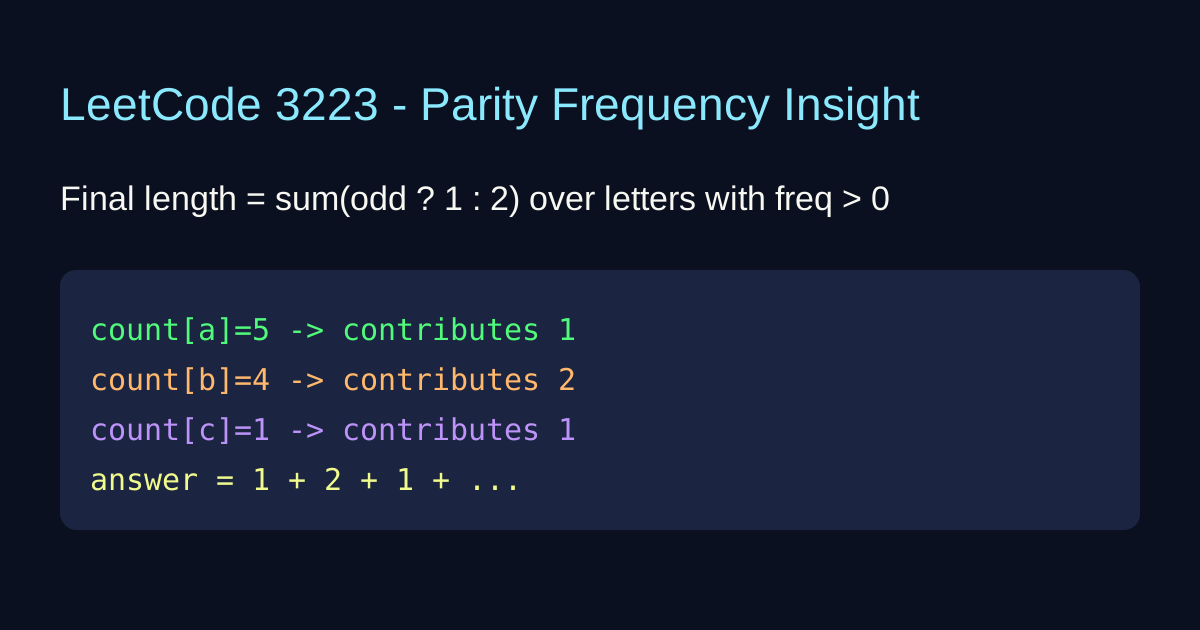
Each operation removes two equal chars and inserts one char, so each character count can shrink but keeps parity. Final contribution is 1 for odd count, 2 for even positive count.
class Solution {
    public int minimumLength(String s) {
        int[] cnt = new int[26];
        for (char c : s.toCharArray()) cnt[c - 'a']++;
        int ans = 0;
        for (int c : cnt) {
            if (c == 0) continue;
            ans += (c % 2 == 0) ? 2 : 1;
        }
        return ans;
    }
}
func minimumLength(s string) int {
cnt := make([]int, 26)
for _, ch := range s { cnt[ch-'a']++ }
ans := 0
for _, c := range cnt {
if c == 0 { continue }
if c%2 == 0 { ans += 2 } else { ans += 1 }
}
return ans
}class Solution {
public:
int minimumLength(string s) {
vector cnt(26, 0);
for (char ch : s) cnt[ch - 'a']++;
int ans = 0;
for (int c : cnt) {
if (c == 0) continue;
ans += (c % 2 == 0) ? 2 : 1;
}
return ans;
}
}; class Solution:
def minimumLength(self, s: str) -> int:
cnt = [0] * 26
for ch in s:
cnt[ord(ch) - ord('a')] += 1
ans = 0
for c in cnt:
if c == 0:
continue
ans += 2 if c % 2 == 0 else 1
return ansfunction minimumLength(s) {
const cnt = Array(26).fill(0);
for (const ch of s) cnt[ch.charCodeAt(0) - 97]++;
let ans = 0;
for (const c of cnt) {
if (c === 0) continue;
ans += (c % 2 === 0) ? 2 : 1;
}
return ans;
}中文
每次操作等价于把某个字符数量减少 2 并保留奇偶性,因此每个字符最终只可能贡献:奇数次为 1,偶数次(且>0)为 2。统计 26 个字母频次即可。
class Solution {
    public int minimumLength(String s) {
        int[] cnt = new int[26];
        for (char c : s.toCharArray()) cnt[c - 'a']++;
        int ans = 0;
        for (int c : cnt) {
            if (c == 0) continue;
            ans += (c % 2 == 0) ? 2 : 1;
        }
        return ans;
    }
}
func minimumLength(s string) int {
cnt := make([]int, 26)
for _, ch := range s { cnt[ch-'a']++ }
ans := 0
for _, c := range cnt {
if c == 0 { continue }
if c%2 == 0 { ans += 2 } else { ans += 1 }
}
return ans
}class Solution {
public:
int minimumLength(string s) {
vector cnt(26, 0);
for (char ch : s) cnt[ch - 'a']++;
int ans = 0;
for (int c : cnt) {
if (c == 0) continue;
ans += (c % 2 == 0) ? 2 : 1;
}
return ans;
}
}; class Solution:
def minimumLength(self, s: str) -> int:
cnt = [0] * 26
for ch in s:
cnt[ord(ch) - ord('a')] += 1
ans = 0
for c in cnt:
if c == 0:
continue
ans += 2 if c % 2 == 0 else 1
return ansfunction minimumLength(s) {
const cnt = Array(26).fill(0);
for (const ch of s) cnt[ch.charCodeAt(0) - 97]++;
let ans = 0;
for (const c of cnt) {
if (c === 0) continue;
ans += (c % 2 === 0) ? 2 : 1;
}
return ans;
}
Comments